Roman Your Physio Roman Izquierdo, PT Contact Book

Programs of care

Structured care for specific problems

I have completed additional training in the areas below. Each program is a structured, staged plan built around you, from first assessment to getting back to what you love doing.

  1. Assess A full-length first appointment: history, examination and the tests your condition calls for.
  2. Plan A written plan with clear stages and the markers that move you from one to the next.
  3. Progress Hands-on care where it helps, and a home programme that is updated at every visit.
  4. Return Back to work, sport and daily life, with the strategies to stay there.
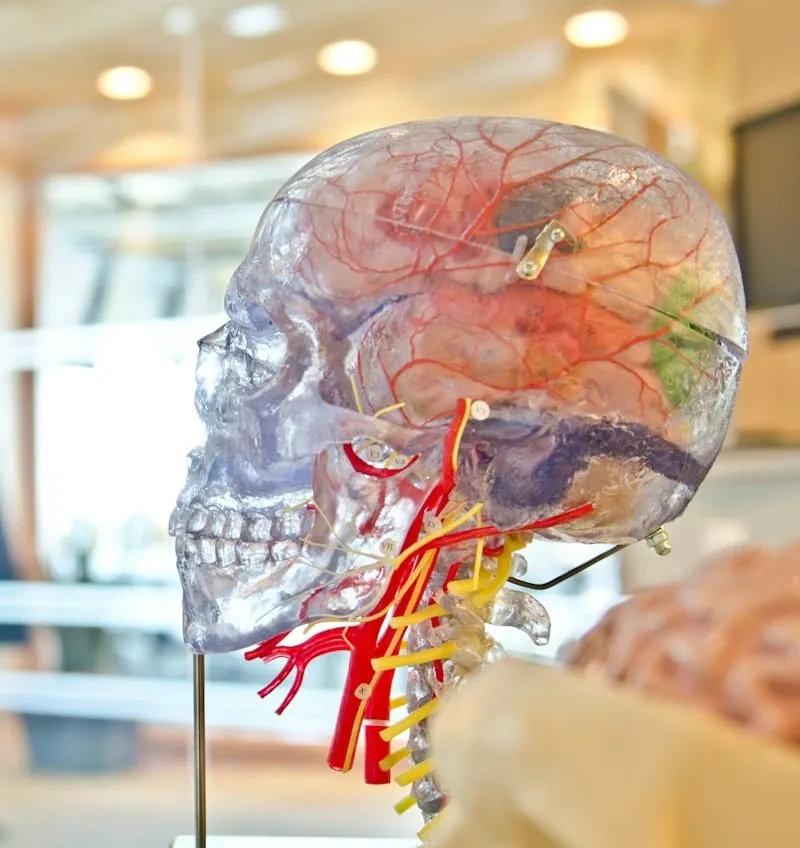
Transparent anatomical model of the skull, jaw and neck

01

TMJ and jaw pain program

Jaw pain, clicking and restricted opening, assessed together with the neck.

Completed post-graduate training in TMJ assessment and treatment.

Who it is for

  • Jaw pain when chewing, talking or yawning
  • Clicking, catching or locking of the jaw
  • Difficulty opening the mouth fully
  • Jaw pain linked to clenching or grinding
  • Headaches and neck pain that travel with jaw symptoms

What it involves

  • A full assessment of the jaw, neck and posture
  • Hands-on treatment of the jaw joint and surrounding muscles
  • Jaw and neck exercises you can do at home
  • Practical strategies for the daytime and night-time habits that load the jaw
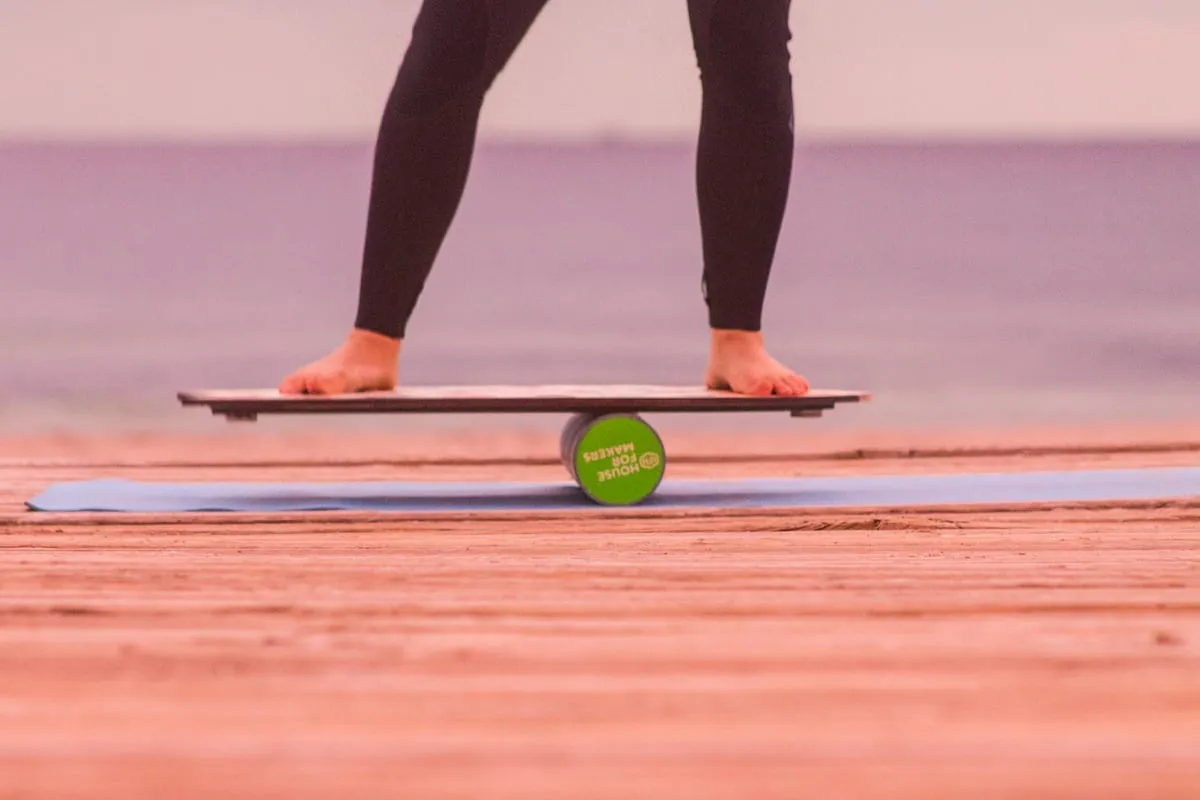
Feet balancing on a wobble board

02

Vestibular and dizziness program

Vertigo, dizziness and balance problems that come from the inner ear and balance system.

Completed post-graduate training in BPPV and vertigo assessment and treatment.

Who it is for

  • Benign paroxysmal positional vertigo (BPPV): spinning when you roll over or look up
  • Dizziness with head movement (light-headedness or fainting should be checked by your doctor first)
  • Unsteadiness and loss of balance
  • Motion sensitivity in busy environments

What it involves

  • Positional testing to identify which ear and which canal is involved
  • Canalith repositioning manoeuvres, such as the Epley, done in the clinic
  • Graded eye, head and balance exercises
  • Screening for signs that need medical follow-up

03

ACL injury and reconstruction program

From the first week after injury or surgery, with the goal of returning to sport, stage by stage.

Who it is for

  • ACL tears managed without surgery
  • Preparing for surgery (“prehab”)
  • Rehabilitation after ACL reconstruction, with or without meniscus repair
  • Athletes working towards a return to cutting, jumping and contact sport

What it involves

  • Your surgeon’s protocol as the framework, where you have had surgery
  • Criteria-based stages: you progress when you meet the markers, not on a calendar date
  • Progressive strength, control and plyometric training
  • Return-to-sport testing, including strength and hop testing

04

Post-operative rehabilitation program

Rehabilitation after more than 20 common orthopaedic surgeries (knee, shoulder, hip, ankle, elbow, wrist and spine), built around your surgeon’s protocol.

Who it is for

  • Knee: ACL reconstruction, meniscus repair or meniscectomy, total and partial knee replacement, MPFL reconstruction (kneecap stabilisation), PCL reconstruction, cartilage procedures such as microfracture
  • Shoulder: rotator cuff repair, Bankart repair and shoulder stabilisation, SLAP and labral repair, biceps tenodesis, total and reverse shoulder replacement, subacromial decompression, AC joint reconstruction and clavicle fracture fixation
  • Hip: hip arthroscopy for FAI and labral repair, total hip replacement
  • Ankle and foot: Achilles tendon repair, Broström ankle ligament reconstruction, ankle fracture fixation (ORIF)
  • Elbow and wrist: UCL reconstruction (Tommy John surgery), wrist fracture fixation (distal radius)
  • Spine: microdiscectomy and spinal fusion

What it involves

  • Close alignment with your surgeon’s protocol and precautions
  • Early-stage protection, swelling management and range of motion
  • Progressive strengthening as healing allows
  • A clear, staged path back to work, sport and daily life

05

Running injury and return-to-run program

For runners from first 5K to marathon, with a plan to get you back to running and lower the chance of setbacks.

Completed The Running Physio’s running assessment course, certified by Athlete’s Care (November 2025), and part of the Athlete’s Care Runner’s Program.

Who it is for

  • Runner’s knee and IT band pain
  • Shin pain and bone stress injuries
  • Achilles and plantar heel pain
  • Hamstring and hip pain in runners
  • Returning to running after injury, surgery or time off

What it involves

  • Running history, training load and footwear review
  • Gait analysis and targeted running cues
  • A structured return-to-run progression built around your race calendar
  • Strength and conditioning to support your mileage
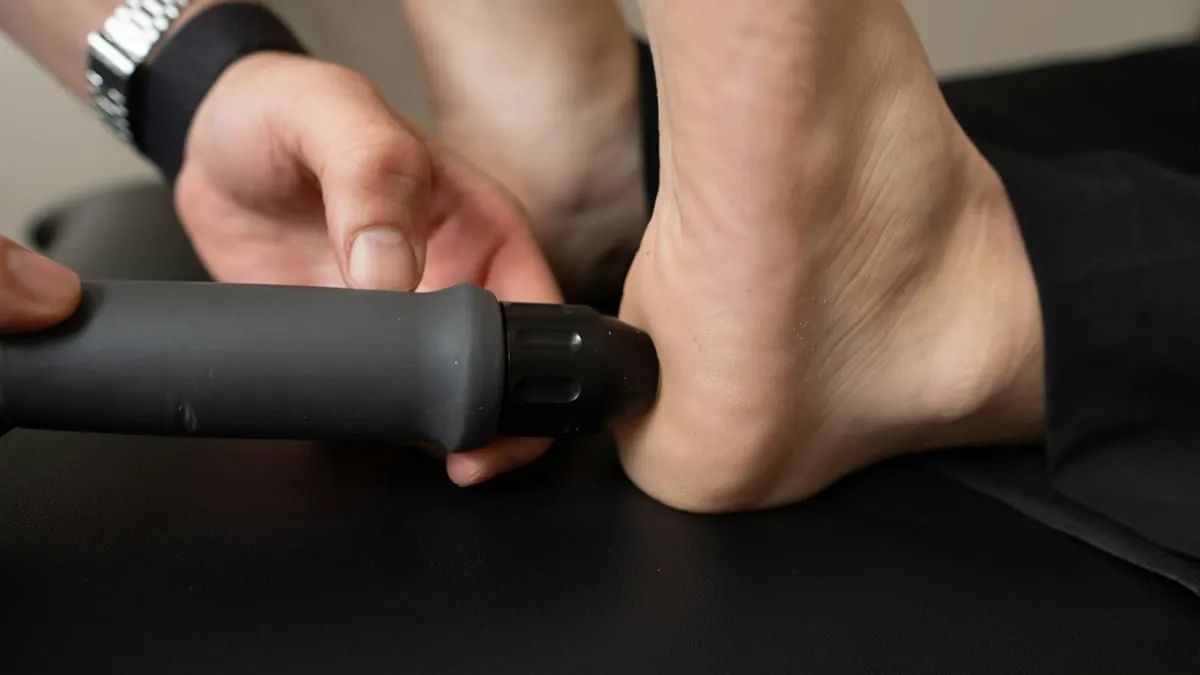
A shockwave applicator held against the back of a heel

06

Persistent tendon pain program

For tendon problems that have hung around, built on progressive loading, with shockwave therapy considered when loading alone has not been enough.

Completed training in extracorporeal shockwave therapy.

Who it is for

  • Achilles tendinopathy
  • Patellar tendon (jumper’s knee) pain
  • Tennis and golfer’s elbow
  • Gluteal tendon pain at the side of the hip
  • Plantar heel pain

What it involves

  • Identifying what is overloading the tendon
  • A progressive, measured tendon-loading programme
  • Shockwave therapy where loading alone has not been enough
  • Adjusting training and daily load while the tendon adapts
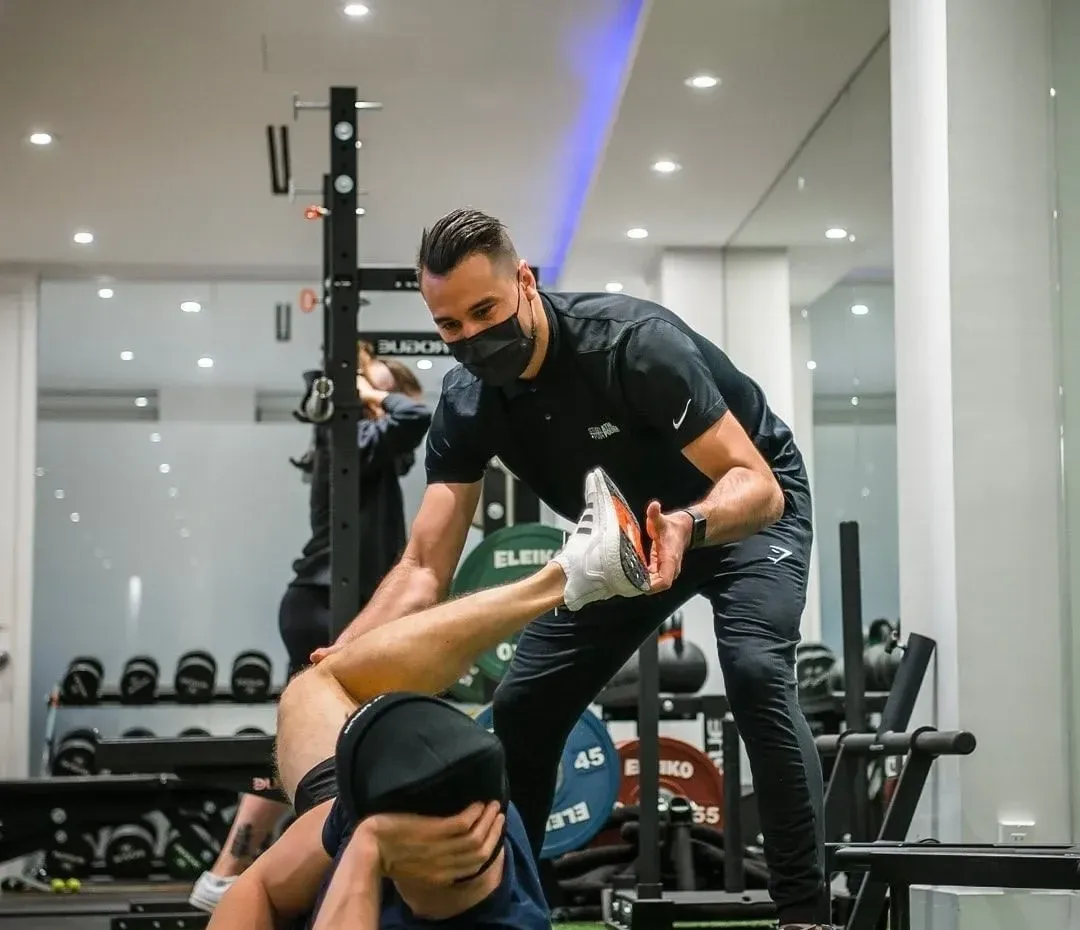
Roman supporting a client through a floor-based exercise in a strength gym

07

Athlete return-to-sport program

Structured return-to-sport care for athletes at every level, from recreational to professional.

Who it is for

  • Athletes returning from injury to training and competition
  • In-season injury management and load planning
  • Strength athletes and lifters returning to the gym
  • Off-season movement screening and training planning

What it involves

  • A sport-specific assessment of the demands you are returning to
  • Load management that works with your training and competition calendar
  • Strength, power and conditioning progressions
  • Clear criteria for each step back: training, practice, then competition

Every program starts with an individual assessment, and the plan is built around what that assessment finds. Progress is measured against clear markers rather than fixed dates. Not sure which program fits? Book an assessment at the clinic nearest you, or call me on 647-567-7742.

Book an appointment

Start with a proper assessment

A full history, a physical examination and a written plan you leave with. Book online at the clinic nearest you, send me a message, or call me directly.

See all locations Send me a message Call 647-567-7742