Roman Your Physio Roman Izquierdo, PT Contact Book

Services

Physiotherapy services

Every first visit is a full appointment: a proper history, a physical examination and a written plan you leave with. Exercise is the backbone of almost every plan; the treatments below support it where they help. Looking for help with a particular condition? See my programs of care.

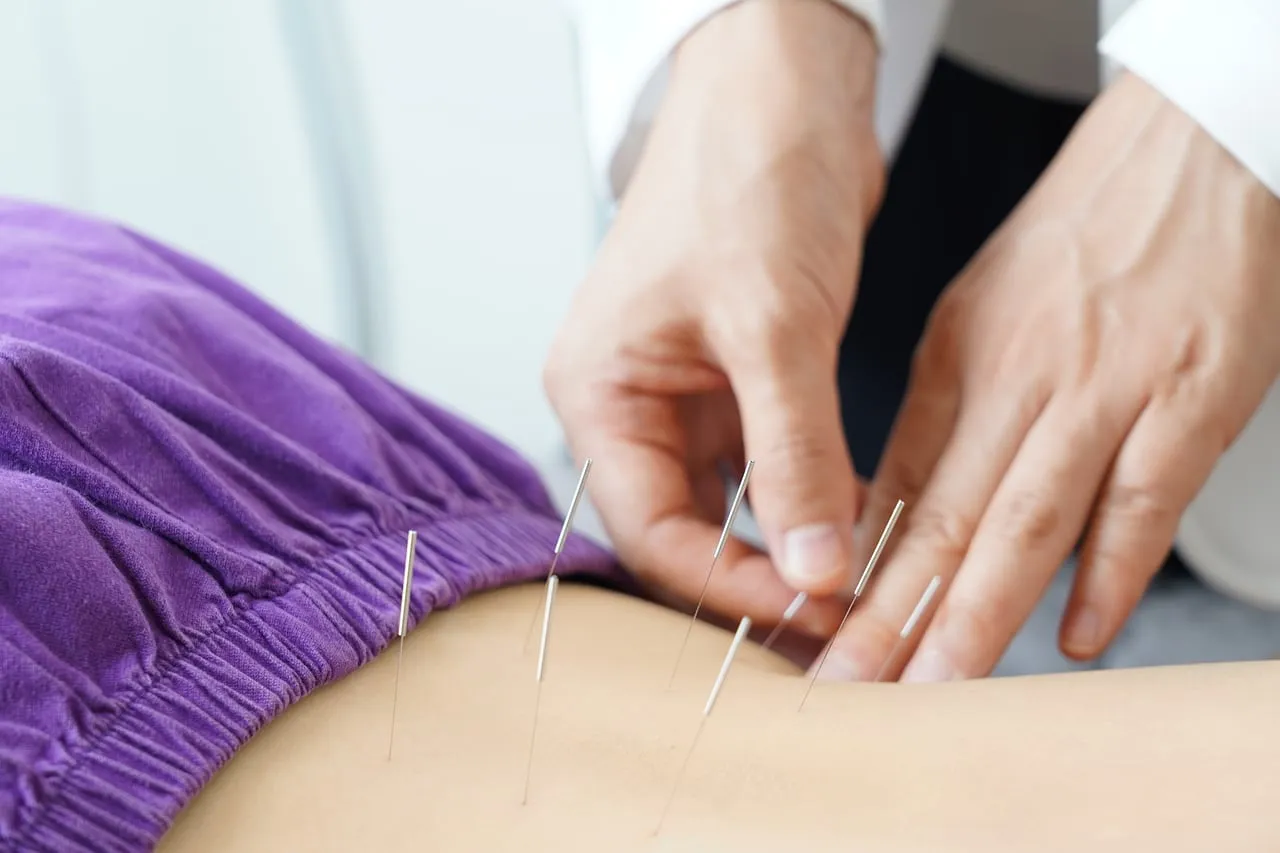
Fine acupuncture needles in the lower back (illustrative image)

02

Contemporary medical acupuncture and electroacupuncture

Post-graduate certificate, McMaster Contemporary Medical Acupuncture Program

I completed the post-graduate certificate in McMaster University’s Contemporary Medical Acupuncture Program, which teaches a neurofunctional, evidence-informed approach: fine needles placed according to anatomy and nerve pathways rather than traditional meridians.

With electroacupuncture, small electrodes are clipped to the needles and a gentle, adjustable current is passed between them to help modulate pain, and it may help muscles that are inhibited after injury or surgery activate more easily.

It is used alongside exercise, not instead of it, to make movement more comfortable while the loading programme does the long-term work.

How it works and what to expect

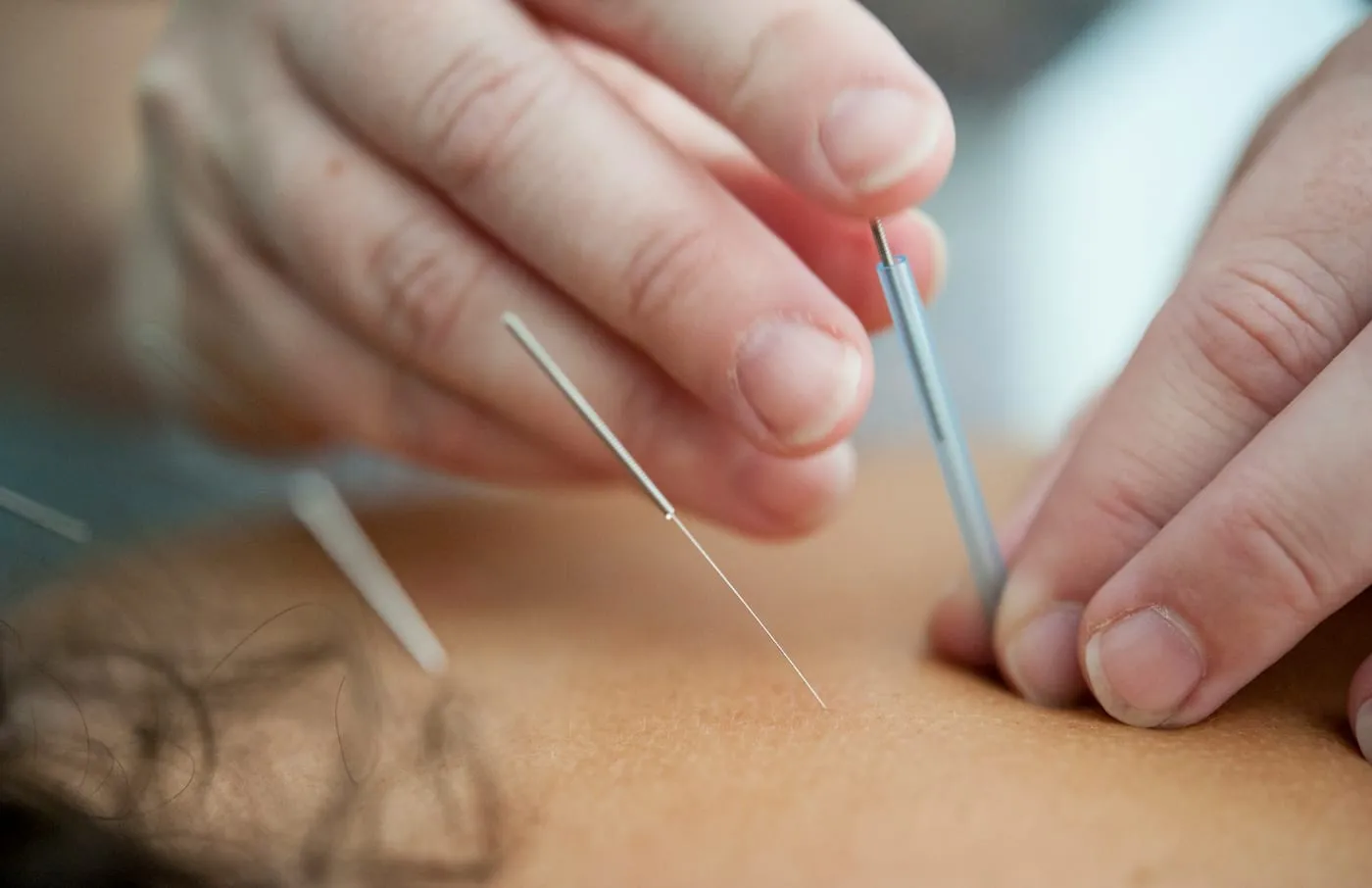
Close-up of fine needles being inserted into the skin

03

Dry needling

Needling aimed directly at tight, tender and overactive areas of muscle. It may reduce pain and muscle tension in the short term, which can make the exercise that follows easier.

I am authorised by the College of Physiotherapists of Ontario to perform acupuncture, including dry needling.

How it works and what to expect

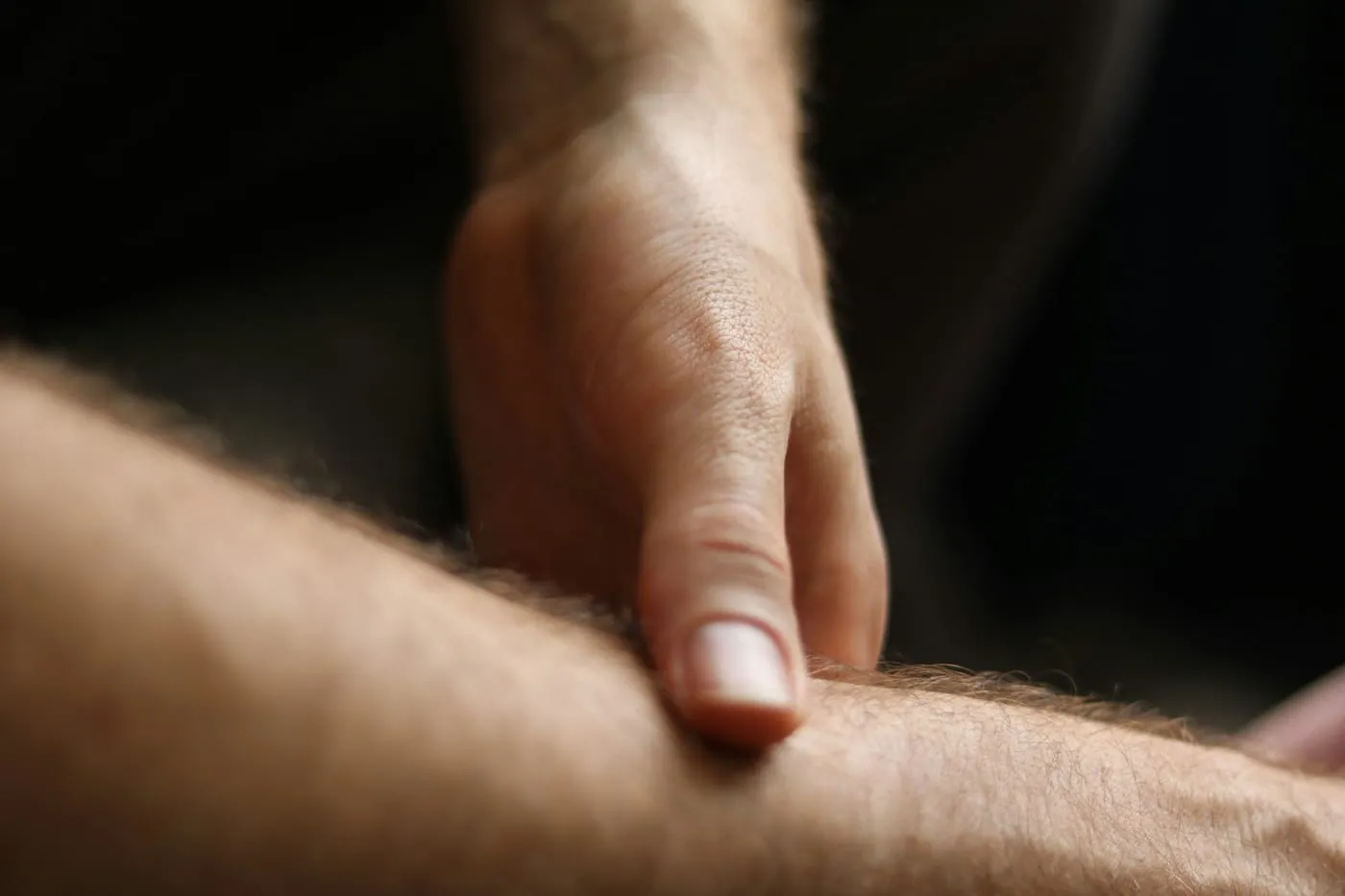
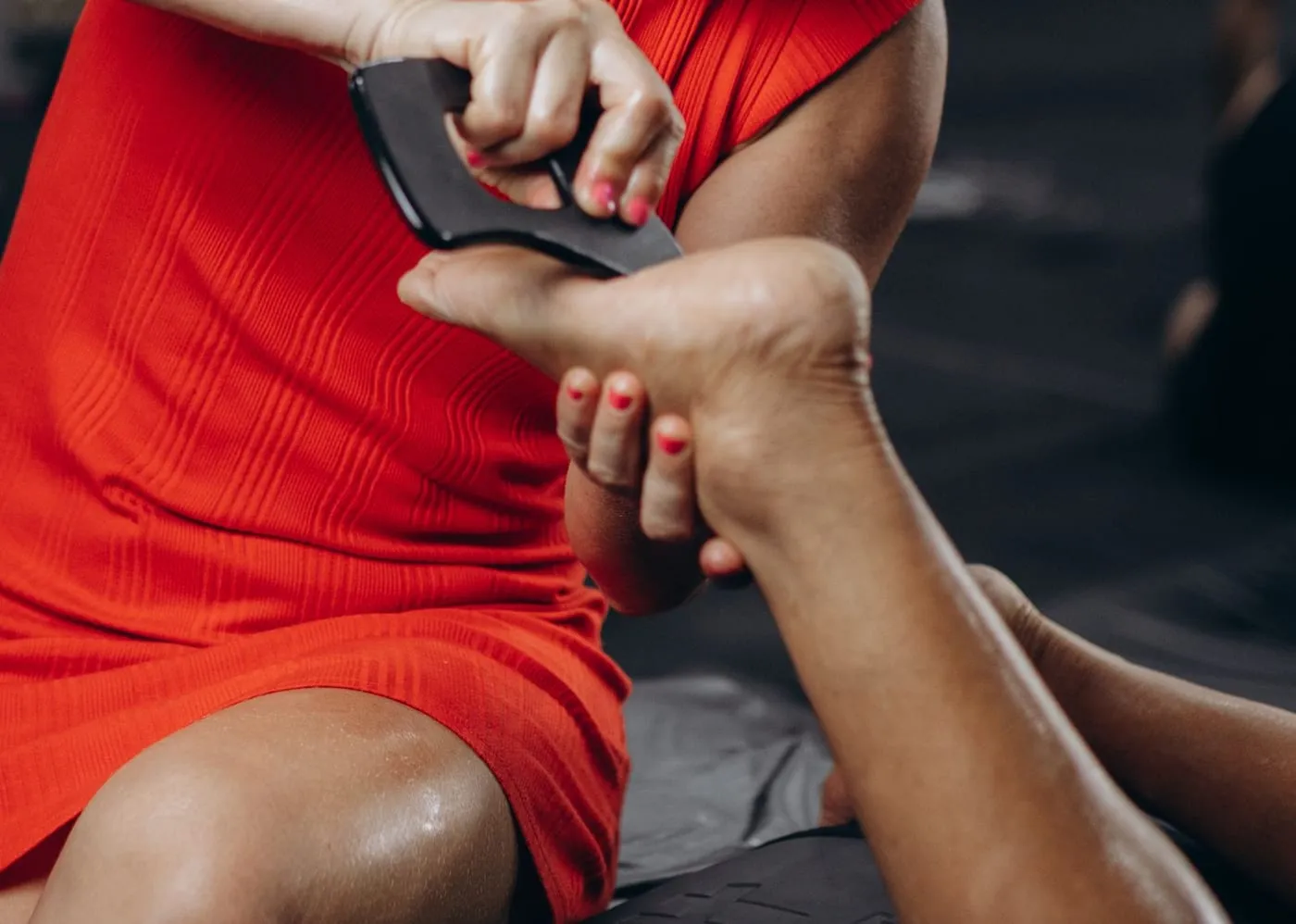
A thumb applying firm pressure to the muscles of a forearm

05

Trigger point and soft tissue release

Sustained pressure on trigger points (the tight, tender knots that refer pain) together with soft tissue techniques, myofascial release and neural mobilisation.

Like all hands-on work, it is there to make movement easier, and it is always paired with what you do between sessions.

How it works and what to expect

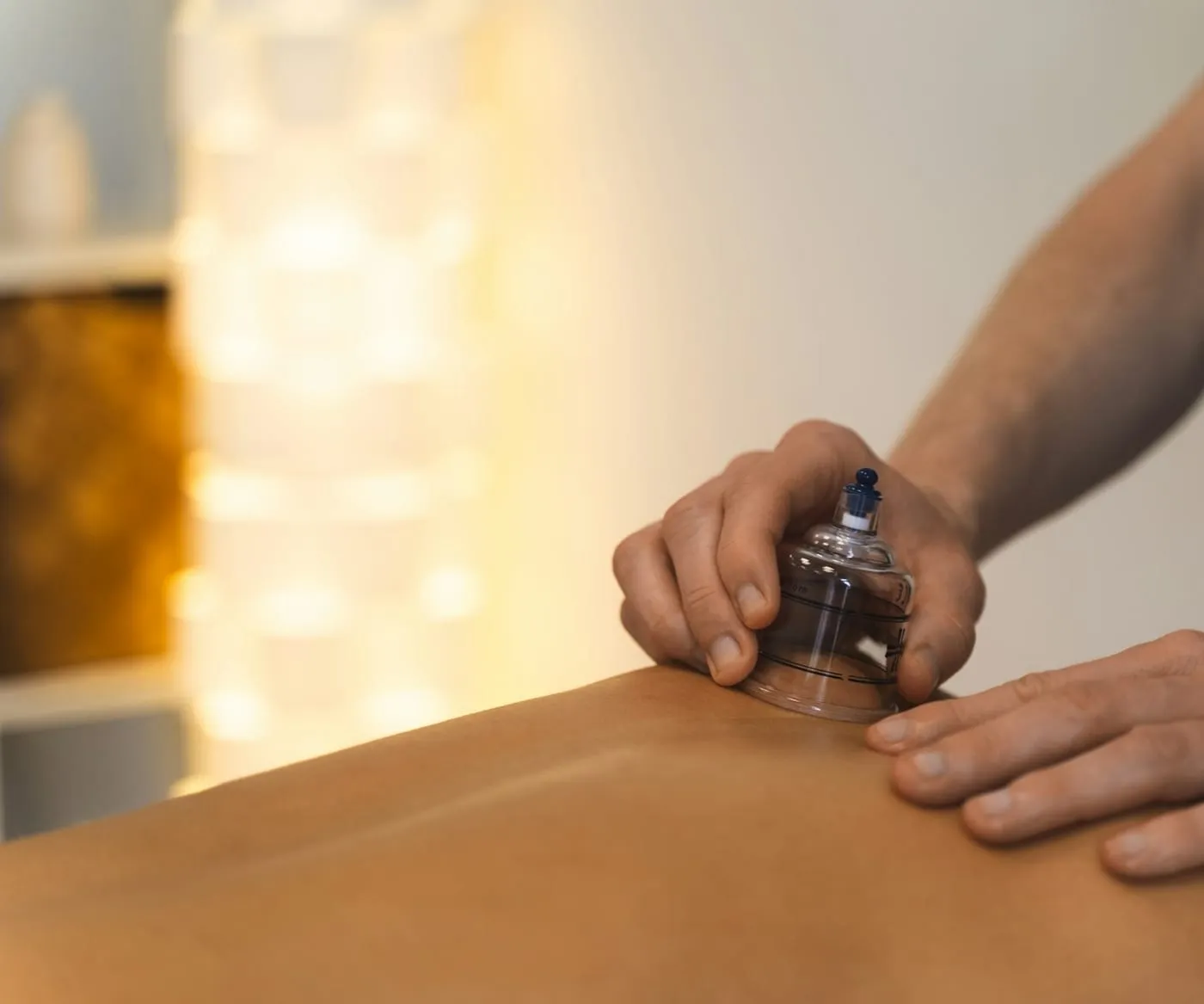
A cup being applied to the muscles of the upper back

07

Static and dynamic silicone cupping

Silicone cups create gentle suction that lifts the skin and underlying tissue. In static cupping the cups stay in place; in dynamic cupping they are glided over the area, or left on while you move through a range of motion.

It is used to ease muscle tension and help movement feel freer, as one part of a wider exercise-based plan.

How it works and what to expect

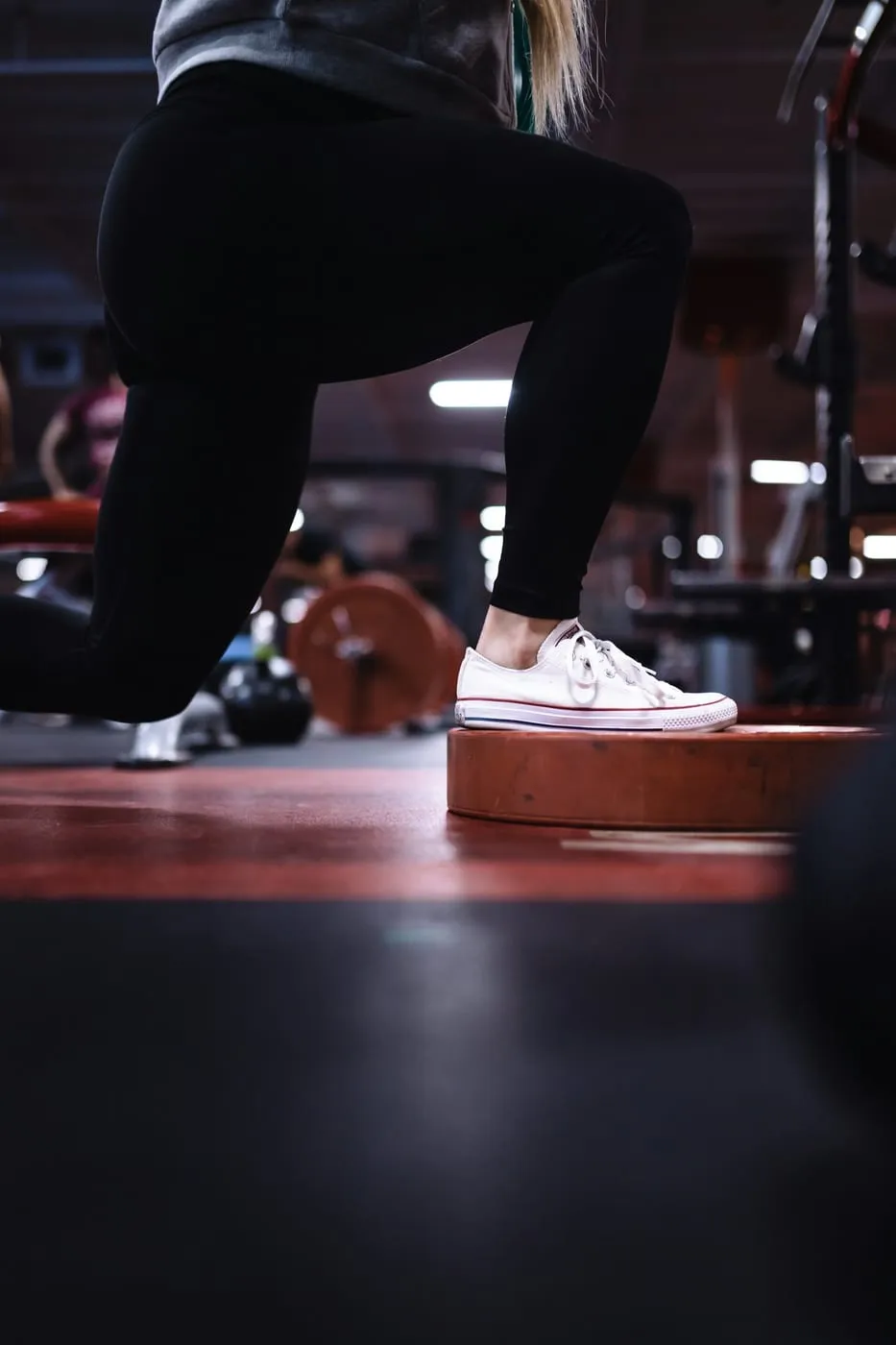
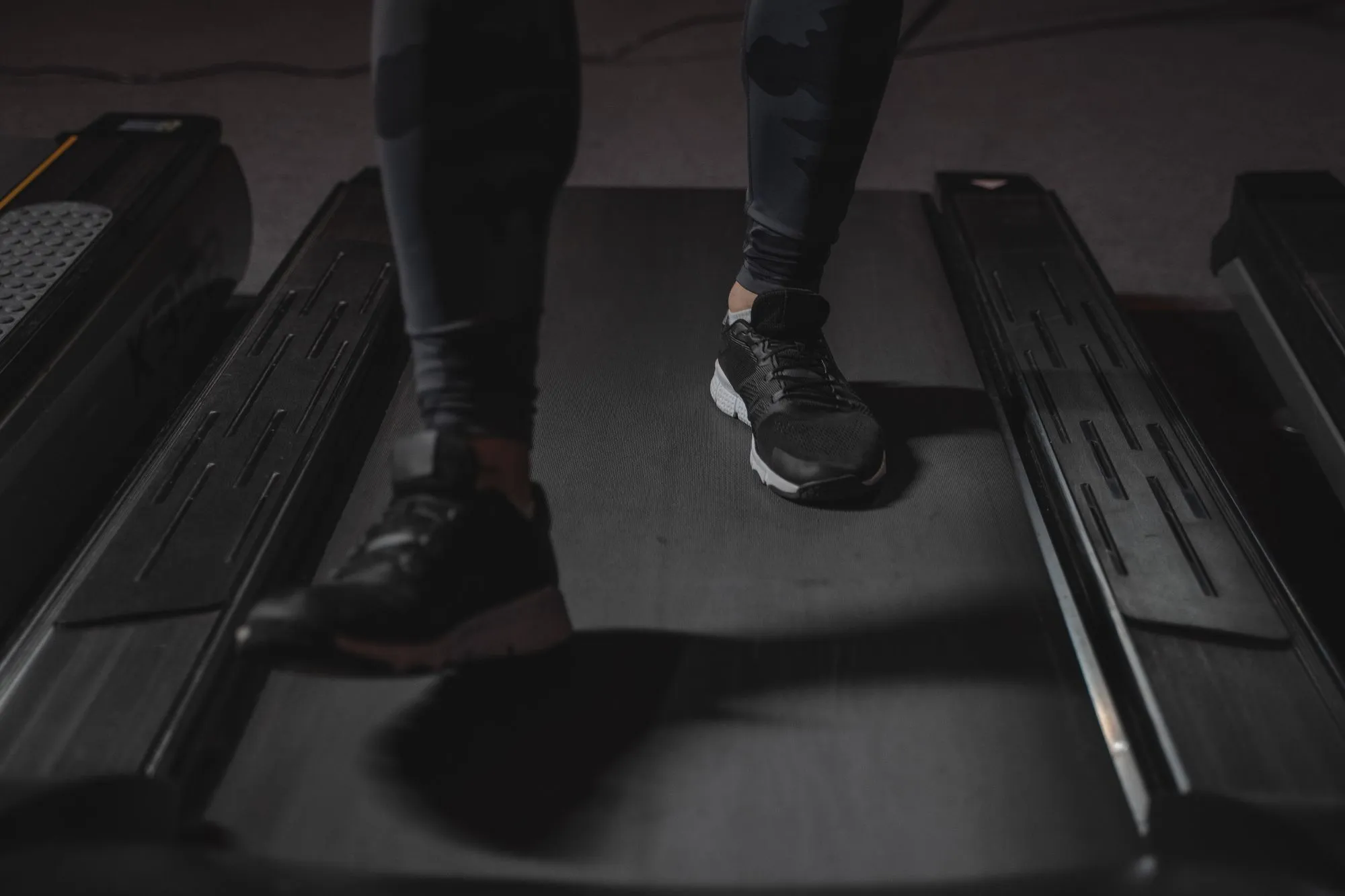
Legs stepping up onto a box in a gym

09

Functional Movement Screen (FMS)

The Functional Movement Screen is a series of seven fundamental movement patterns (such as a deep squat, a hurdle step and an in-line lunge) scored against a standard.

It highlights mobility and stability gaps and left–right differences, so the programme can target them. It is particularly useful before starting a new training programme or at the start of a season.

How it works and what to expect

11

Virtual and in-home physiotherapy

Virtual consults from my Country Lane home office: a full history, a guided movement assessment on camera, and a written plan with a home programme, for patients anywhere in Ontario.

They suit first assessments, second opinions, post-operative and ACL check-ins, and running and training programme reviews. In-home visits are available for patients who cannot easily travel.

Book a virtual consult

Programs of care

Need help with a specific problem?

For some conditions I have completed additional training, and each program of care is a structured, staged plan.

Ready to book?

Choose the clinic nearest you. Not sure which service you need? Book an assessment and we will work it out together.

Book an appointment Call 647-567-7742