Acupuncture and electroacupuncture in Toronto
Neurofunctional needling, with electrical stimulation where it helps. Post-graduate certificate, McMaster University’s Contemporary Medical Acupuncture Program.
Post-graduate certificate, McMaster Contemporary Medical Acupuncture Program
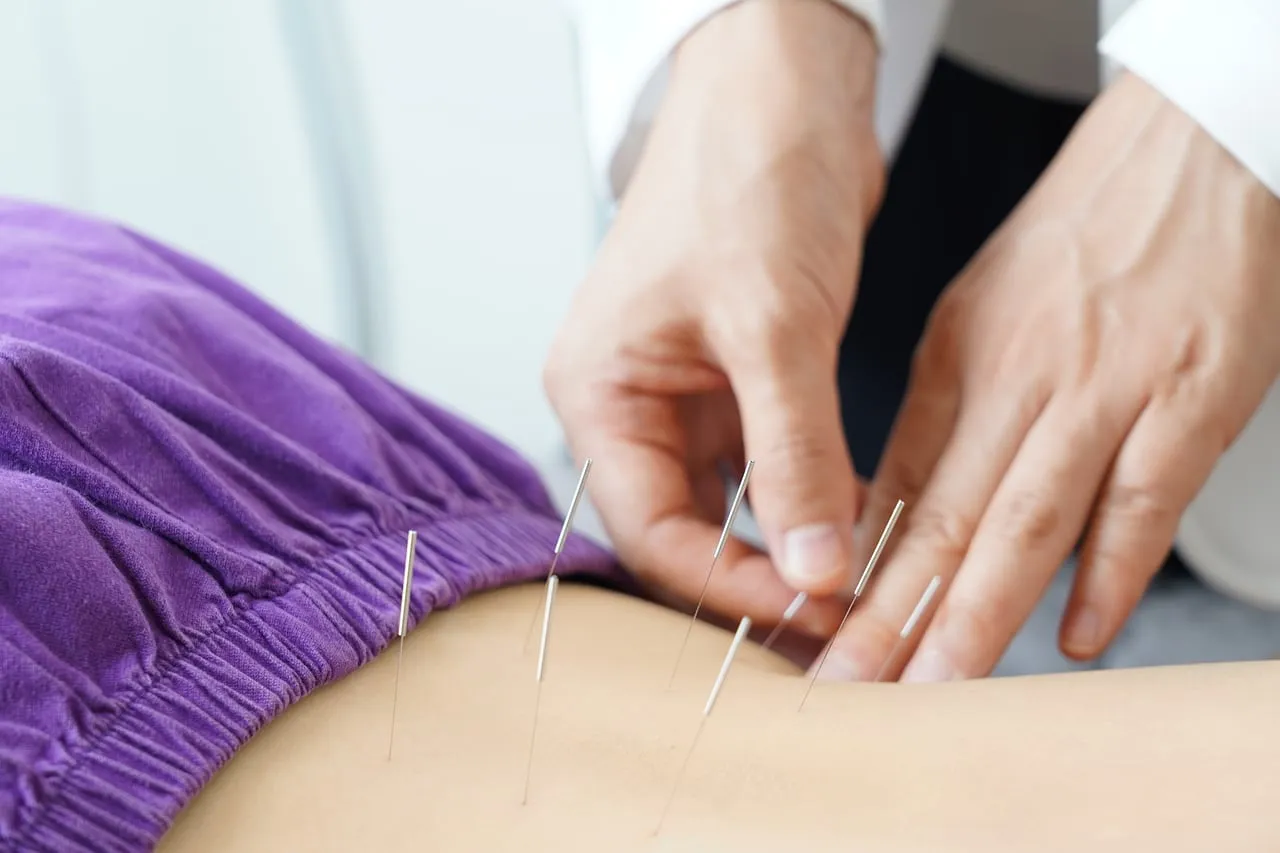
Overview
I completed the post-graduate certificate in McMaster University’s Contemporary Medical Acupuncture Program, which teaches a neurofunctional, evidence-informed approach: fine needles placed according to anatomy and nerve pathways rather than traditional meridians.
With electroacupuncture, small electrodes are clipped to the needles and a gentle, adjustable current is passed between them to help modulate pain, and it may help muscles that are inhibited after injury or surgery activate more easily.
It is used alongside exercise, not instead of it, to make movement more comfortable while the loading programme does the long-term work.
What is contemporary medical acupuncture?
Contemporary medical acupuncture uses fine, sterile, single-use needles placed according to anatomy: the nerves, muscles and spinal segments related to your problem. It is a Western, neurofunctional approach and does not rely on traditional meridian theory.
Electroacupuncture adds a gentle, adjustable electrical current between pairs of needles through small clips, which strengthens the stimulus.
How does contemporary medical acupuncture work?
The needles stimulate sensory nerves. That input changes how pain signals are processed in the spinal cord and brain, including the body’s own pain-relieving systems. It can also help switch muscles back on when they have been inhibited by pain, injury or surgery.
How I use contemporary medical acupuncture in treatment
I use acupuncture to make movement more comfortable so that exercise can do the long-term work, not as a stand-alone fix. Needle placement is chosen from the assessment findings and explained to you before we start.
What happens in a session?
After consent, needles are placed and usually left for around 10 to 20 minutes, with or without electrical stimulation. Most people feel a dull ache, heaviness or tingling at the needle site rather than sharp pain. The session usually finishes with exercise or movement.
Who can contemporary medical acupuncture help?
Persistent muscle and joint pain, back and neck pain, tendon pain, headaches that come from the neck, and muscle weakness after injury or surgery, always as part of a broader plan.
Is contemporary medical acupuncture safe, and what should I expect afterwards?
Needles are sterile and used once. Minor bruising, brief soreness or feeling light-headed can happen; serious side effects are rare. The most important is a punctured lung when needling near the chest wall, so tell me straight away if you feel short of breath or have chest pain afterwards. Tell me if you are pregnant, take blood thinners, have a pacemaker or other implanted device (relevant to electroacupuncture), have a bleeding disorder or are anxious about needles. Acupuncture is always optional. I am authorised by the College of Physiotherapists of Ontario to perform acupuncture, including dry needling.
Every plan starts with a full assessment, so the treatment fits what is actually driving your problem. Contemporary medical acupuncture and electroacupuncture is one tool within that plan, not the whole plan.
Read more
Where I practise
- Athlete's Care Yonge & Eglinton: Mon/Wed/Fri, 8:00 AM – 2:00 PM
- Push Pounds Downtown Toronto: Tue/Thu, 8:30 AM – 6:30 PM
- Runner's Academy St. Clair West: Mon/Wed/Fri, 3:00 PM – 6:30 PM
- Country Lane Home office & virtual: Sat, By appointment only
Booking for a specific treatment? Mention it when you book so we can confirm which location suits it.
Before you book
Do I need a doctor’s referral to see a physiotherapist in Ontario?
No. In Ontario you can book directly with a registered physiotherapist, no referral needed. Some extended health plans, and motor vehicle or workplace injury claims, have their own requirements, so it is worth checking your plan before your first visit.
Is physiotherapy covered by OHIP?
OHIP only covers physiotherapy for certain eligible groups at OHIP-funded clinics. Appointments with me are private, not billed to OHIP. Most extended health benefit plans cover registered physiotherapy, and you receive a receipt after every visit to submit to your plan.
Can my appointment be billed directly to my insurance?
Direct billing depends on the clinic and on your insurer. Ask when you book and the clinic will confirm whether they can bill your plan directly.
Other physiotherapy services
- Exercise therapy and strength rehabilitation
- Dry needling
- Joint mobilisation and spinal manipulation
- Trigger point and soft tissue release
- IASTM soft tissue release
- Static and dynamic silicone cupping
- Shockwave therapy
- Functional Movement Screen (FMS)
- Movement and running gait assessment
- Virtual and in-home physiotherapy
Book an appointment
Start with a proper assessment
A full history, a physical examination and a written plan you leave with. Book online at the clinic nearest you, send me a message, or call me directly.